
Types of wastewater vary significantly depending on their sources, pollutant characteristics, and environmental risks. From households and urban infrastructure to industrial processes and agricultural activities, each type of wastewater presents unique treatment challenges and regulatory requirements.
Understanding the different types of wastewater is essential for designing effective treatment systems, ensuring environmental compliance, and achieving long-term sustainability. By accurately identifying wastewater characteristics at the source, engineers and environmental solution providers can develop targeted, efficient, and reliable treatment approaches.
Domestic Wastewater (Municipal Sewage)
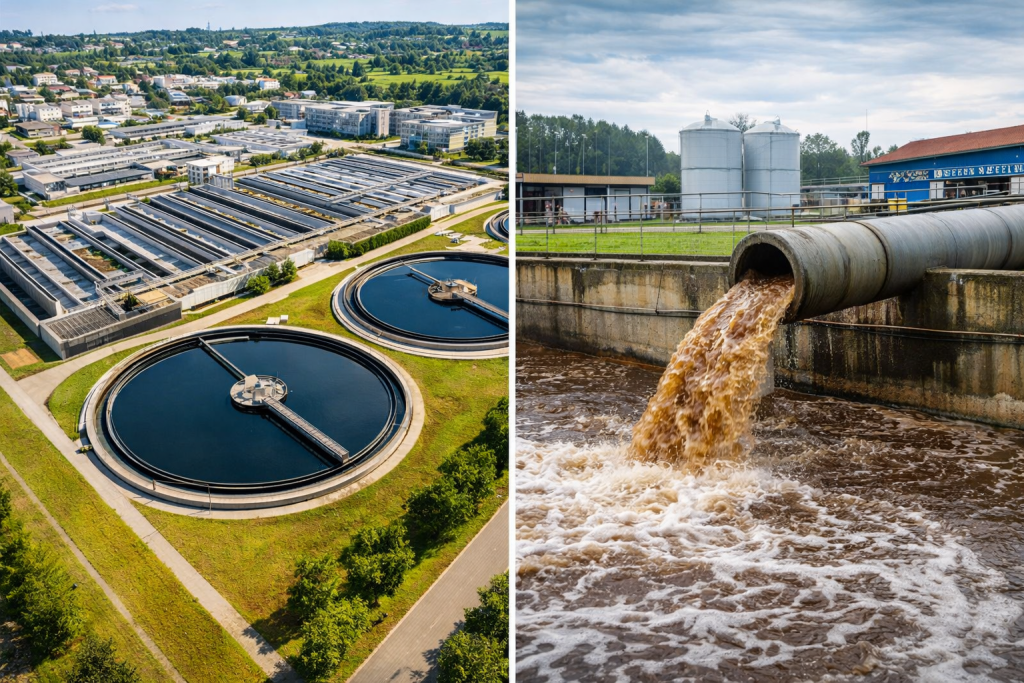
Domestic wastewater is produced by residential areas, offices, schools, and public facilities. It mainly originates from toilets, kitchens, showers, and laundry activities.
Key Characteristics
- High organic content (BOD and COD)
- Nutrients such as nitrogen and phosphorus
- Suspended solids and pathogens
Treatment Considerations
Domestic wastewater is typically treated using biological processes, followed by clarification and disinfection. Stable operation and consistent effluent quality are critical for municipal systems serving large populations.
Industrial Wastewater
Industrial wastewater is generated during manufacturing and processing activities. Its composition varies widely depending on the industry and production process.

Common Sources
- Chemical and pharmaceutical plants
- Food and beverage processing
- Textile, dyeing, and paper industries
- Mining, metallurgy, and electronics manufacturing
Key Characteristics
- Toxic or non-biodegradable substances
- Extreme pH values
- Heavy metals, oils, solvents
- High salinity or high temperature
Treatment Considerations
Industrial wastewater often requires customized, multi-stage treatment, combining physical, chemical, and biological methods. Accurate characterization is critical to prevent system failure and regulatory violations.
Commercial Wastewater
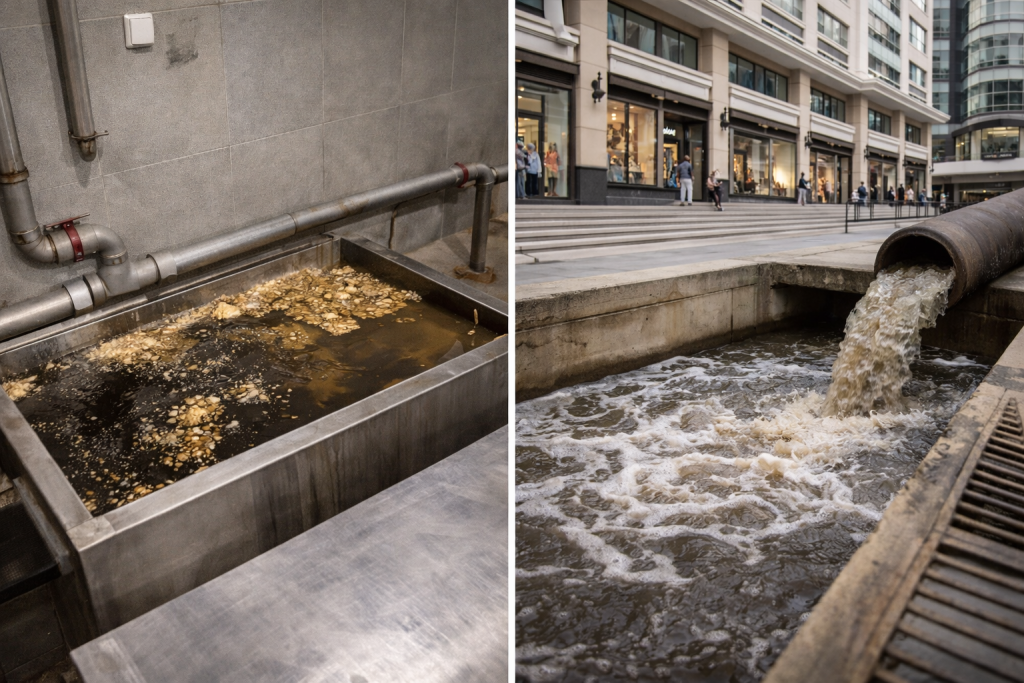
Commercial wastewater comes from restaurants, hotels, shopping malls, hospitals, and office buildings.
Key Characteristics
- High oil and grease (FOG)
- Detergents and cleaning chemicals
- Moderate organic load
Treatment Considerations
Pretreatment systems such as grease traps and oil separators are essential to protect downstream municipal pipelines and treatment facilities.
Agricultural Wastewater
Agricultural wastewater originates from irrigation runoff, livestock operations, and food production activities.

Key Characteristics
- Nutrients (nitrates and phosphates)
- Pesticides and herbicides
- Organic matter and pathogens
Environmental Impact
If discharged without treatment, agricultural wastewater can cause eutrophication, surface water pollution, and groundwater contamination.
Treatment Considerations
Common approaches include sedimentation, constructed wetlands, nutrient control, and reuse-oriented systems.
Stormwater Runoff
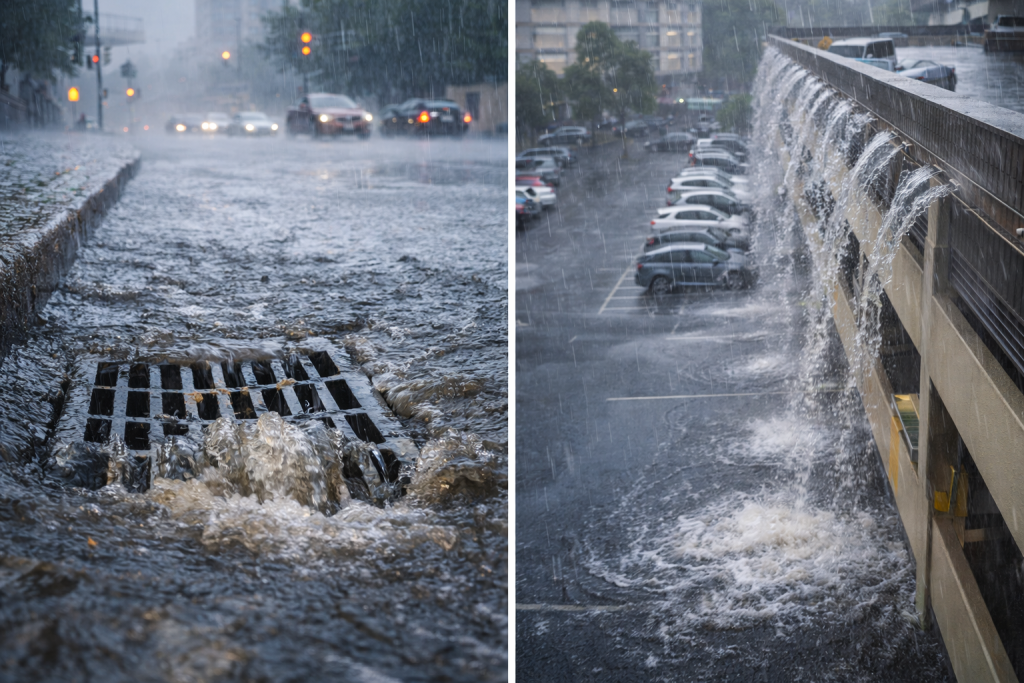
Stormwater runoff is generated when rainfall flows over impervious surfaces such as roads, rooftops, and parking areas.
Key Characteristics
- Oils, heavy metals, microplastics
- Sediments and debris
- Highly variable flow and pollutant concentrations
Treatment Considerations
Stormwater management focuses on flow control, filtration, and pollution prevention, especially during peak rainfall events.
High-Salinity Wastewater
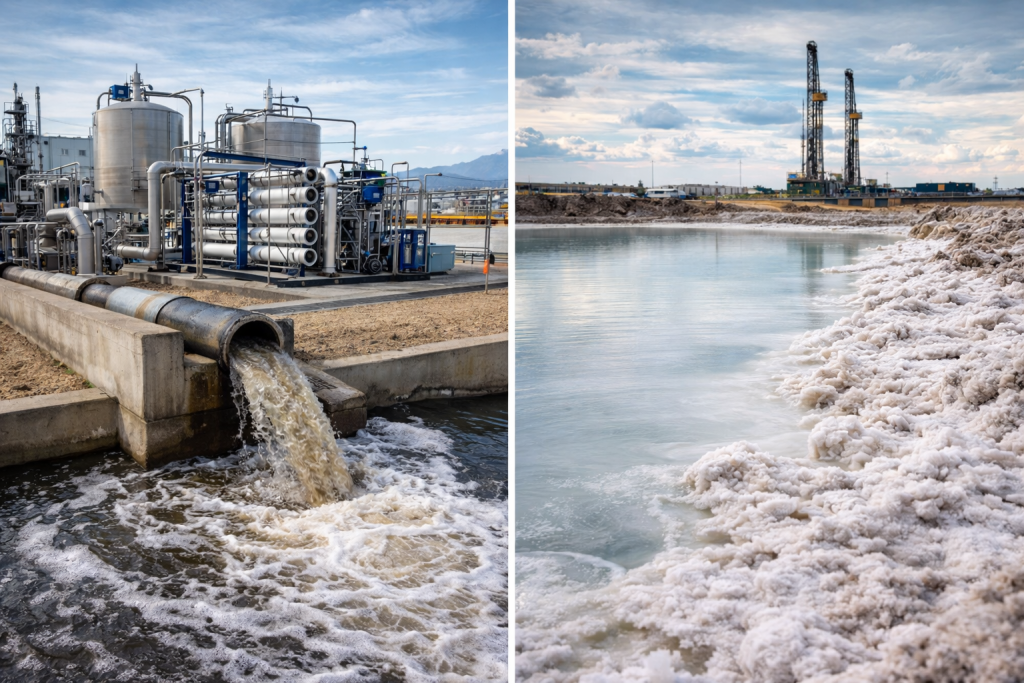
High-salinity wastewater is common in industries such as chemical manufacturing, desalination, oil and gas, and food processing.
Key Characteristics
- Very high TDS and conductivity
- Inhibition of biological treatment
- Strong corrosiveness
Treatment Considerations
Advanced solutions such as membrane concentration, evaporation, and crystallization are often required, especially in zero liquid discharge (ZLD) systems.
Hazardous Wastewater
Hazardous wastewater contains toxic, reactive, flammable, or corrosive substances that pose serious risks to human health and the environment.

Key Characteristics
- Toxic organic compounds
- Heavy metals
- Strict regulatory control
Treatment Considerations
This type of wastewater requires specialized treatment, secure handling, and strict compliance management throughout the entire process.
Why Wastewater Classification Matters
Each type of wastewater has unique treatment requirements. Incorrect classification or underestimating pollutant complexity can result in:
- Inefficient treatment performance
- Equipment damage
- Regulatory non-compliance
- Increased operational costs
A clear understanding of wastewater types is the foundation for effective system design, sustainable water management, and environmental protection.
Summary
Wastewater is not a single, uniform stream—it is a collection of diverse water types, each requiring tailored treatment strategies. From domestic sewage to complex industrial and hazardous effluents, proper classification enables smarter engineering decisions and long-term sustainability.
Contact GL Environment to discuss your wastewater treatment needs and explore customized solutions for your project.