
Drinking water treatment is a critical process that ensures raw water from natural sources such as rivers, lakes, reservoirs, and groundwater is safe for human consumption. Although natural water sources may appear clean, they often contain suspended particles, microorganisms, organic matter, and dissolved contaminants that pose risks to human health.
To meet regulatory standards and protect public health, drinking water must undergo a series of carefully designed treatment processes. These processes remove physical, chemical, and biological contaminants, ensuring the water is safe, clear, and suitable for distribution.
What’s Drinking Water Treatment?
Drinking water treatment is the process of removing contaminants from raw water to make it safe for human consumption. The goal is to eliminate harmful substances such as suspended particles, bacteria, viruses, organic matter, and dissolved chemicals, ensuring the water meets health and regulatory standards.
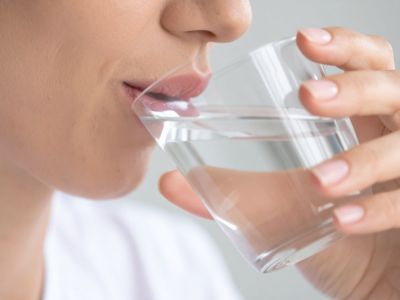
Why Drinking Water Treatment Is Necessary?
Untreated raw water may contain various harmful substances, including:
- Suspended solids and turbidityBacteria, viruses, and pathogens
- Organic matter contributing to COD and TOC
- Heavy metals such as iron and manganese
- Nutrients such as nitrogen and phosphorus
- Emerging contaminants such as pharmaceuticals and microplastics
Without proper treatment, these contaminants can affect water safety, taste, odor, and long-term human health.
Typical Drinking Water Treatment Process
Drinking water treatment typically involves multiple steps designed to progressively remove contaminants.
1. Coagulation and Flocculation
In this step, coagulants such as aluminum sulfate or PAC are added to the water. These chemicals neutralize the electrical charges of suspended particles, allowing them to form larger particles called flocs.
This process helps remove:
- Suspended solids
- Organic matter
- Turbidity
2. Sedimentation
This stage significantly reduces:
- Suspended solids
- Turbidity
- Particulate contaminants
3. Filtration
The water then passes through filtration systems, such as sand filters or multimedia filters, to remove remaining fine particles.
Advanced filtration may include:
- Activated carbon filters
- Ultrafiltration membranes
Filtration improves water clarity and removes additional contaminants.
4. Disinfection
Disinfection is essential to eliminate harmful microorganisms.
Common disinfection methods include:
- Chlorination
- Ultraviolet (UV) disinfection
- Ozone treatment
This step ensures the water is microbiologically safe.
5. Advanced Treatment
For higher-quality drinking water or reuse applications, advanced treatment technologies may be used, including:
Reverse osmosis (RO)
Activated carbon adsorption
Advanced oxidation processes
These processes remove dissolved salts, organic micropollutants, and emerging contaminants.
Key Equipment Used in Drinking Water Treatment
- Clarifiers and sedimentation tanks
- Filtration system
- Activated carbon filters
- Disinfection systems
- Membrane filtration systems
Importance of Drinking Water Treatment
| Category | Key Parameter | Why it Matters |
| Microbiological | Total Coliforms / E. coli | Direct indicator of fecal contamination. |
| Physical | Total Coliforms / E. coli | Clarity of water; high turbidity can “shield” bacteria from disinfection. |
| Chemical | Residual Chlorine | Ensures water remains safe as it travels through miles of pipes. |
| Chemical | pH Level | Prevents pipe corrosion (which can leach lead into the water). |
Table of Importance of Drinking Water Treatment
Conclusion
Drinking water treatment is a vital process that transforms raw water into safe, high-quality water suitable for human consumption. By combining physical, chemical, and biological treatment technologies, modern water treatment systems can effectively remove contaminants and ensure reliable water supply.
At GL, we are committed to providing high-quality drinking water treatment equipment and customized integrated solutions for diverse applications. Leveraging extensive expertise in water treatment system design and engineering, GL empowers clients to achieve stable operations, regulatory compliance, and optimized operational efficiency. For more information on drinking water treatment solutions, please visit our official website.