
Project Background
Client: A Power Plant in Tashkent, Uzbekistan
Original Disinfection Method / Issues:
- The original method utilized a 10% sodium hypochlorite solution, which posed safety hazards as it is classified as a hazardous chemical. The stability of the active chlorine content in 10% sodium hypochlorite is influenced by various factors; exposure to light, high temperatures, or contact with acidic substances can accelerate its decomposition. While the annual operating cost of the on-site electrolytic brine process—which generates a low-concentration sodium hypochlorite solution—is slightly higher than that of liquid chlorine disinfection, it is significantly lower than the costs associated with purchasing and dosing pre-manufactured sodium hypochlorite.
- Issues inherent in the original process included: safety risks, high chemical costs, inconsistent disinfection efficacy, and operational complexity.
Project Requirements:
The client sought to install an on-site generation system to address these issues. Specific objectives included: successfully passing safety and environmental impact assessments; reducing long-term operating costs; ensuring consistent disinfection efficacy; and achieving automated chlorine disinfection.
Equipment Overview
Equipment Models:
- KSCL-1000 (Effective Chlorine Output: 1000 g/h)
- KSCL-2000 (Effective Chlorine Output: 2000 g/h)
- KSCL-4000 (Effective Chlorine Output: 4000 g/h)
Equipment Quantity: 7 units projected for the total project; 3 units currently in operation.
Key Technical Parameters:
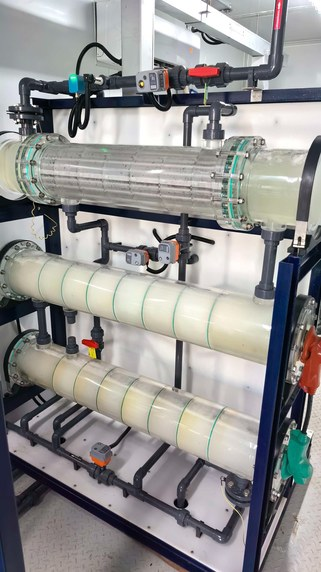
- Electrolytic tube shell:The electrolytic cell is manufactured from highly corrosion – resistant, transparent PMMA acrylic glass.
- Anode material:Titanium-based DSA electrode, thickness 1mm
- Cathode material:Titanium, thickness 1mm
- Electrode spacing:2.0mm
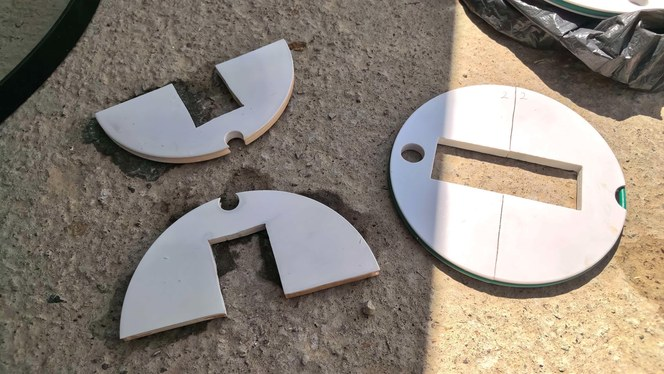
- Inter-electrode gasket:PVDF
- NaOCl concentration:0.6%-0.9%
- Chlorate content: ≤ 20mg/L after being added into water.
- Chlorite content: ≤ 0.2 mg/L after dosing into water.
- Equipped with an outlet temperature sensor with alarm function
- Equipped with an outlet flow switch; alarms when the electrolyte level is low
- Equipped with an RO inlet water flow switch; alarms when the flow rate is too low
- Dilute Brine Concentration: 3%
- Salt Consumption per 1 kg of Available Chlorine Produced: < 3.2 kg
- Power Consumption per 1 kg of Available Chlorine Produced: < 4.0 kWh
- Current Efficiency: > 78%
- Disinfectant Sterilization Rate: 99.9%
Auxiliary Equipment: Salt Dissolution System, Generator System, Storage System, Dosing System, Water Softener, Acid Washing System, Hydrogen Venting Device, Storage Tanks, Hydrogen Concentration Detector, etc.
Electrical Requirement
Distribution cabinet input:380V,50Hz,three-phase;
- KSCL-1000 maximum power: 20KW
- KSCL-2000 maximum power: 35KW
- KSCL-4000 maximum power: 50KW
Technical Advantages
- Intelligent Algorithms: Provides alerts regarding electrode service life and prompts for pickling cycles.
- IoT Connectivity: Enables remote intelligent identification and management, facilitating equipment fault pre-warnings and remote troubleshooting.
- Intelligent Operation: Features fully automated control, unattended operation capabilities, big data acquisition, PLC control, and touchscreen interface operation.
- Modular Design: Integrated modular equipment design ensures rapid and convenient installation and maintenance.
- High Efficiency & Low Consumption: Characterized by low salt and power consumption, high current efficiency, and high stability of the product solution.
- Safety & Stability: Utilizes corrosion-resistant materials combined with specialized coatings to ensure an extended service life (typical electrode lifespan > 20 years; typical anode coating lifespan > 10 years). The system operates on a “produce-and-use” basis, eliminating the risks associated with the transportation and storage of raw materials. Furthermore, the equipment is fitted with a hydrogen gas monitoring and discharge system to ensure the complete absence of explosion risks.
Economic Benefit Analysis
The cost comparison analysis of different disinfection processes is conducted based on the effective chlorine consumption of 400kg/d. The results are shown in the table below:
| Disinfection process | On-site preparation of low concentration sodium hypochlorite disinfection | Purchase of finished sodium hypochlorite for dosing | Traditional liquid chlorine disinfection |
| Raw material procurement cost | Salt consumption: 2.8kg/kg · Cl Iodine free refined salt unit price: 0.65 yuan/kg | The purchase cost of 10% finished Sodium hypochlorite solution is about 1000 yuan/ton | The purchase cost in the liquid chlorine market is approximately 4yuan/kg · Cl |
| Electricity consumption cost | Power consumption: 5.0 kWh/kg · Cl (Considering adding pump power consumption) Peak valley electricity price: 0.65 yuan/kWh | The power of the dosing pump is relatively low (power consumption is temporarily ignored) | The power of the chlorinator is relatively low (power consumption is emporarily ignored) |
| Unit effective chlorine cost (yuan/kg · Cl) | 5.07 | 10 | 4 |
| Annual material consumption cost (10000 yuan/year) | 365*400*5.07= 74.02 | 365*400* 10= 146 | 365*400*4=58.4 |
| Summary and Analysis of Advantages and Disadvantages | ① Moderate annual operating cost ② Convenient purchase of salt raw materials ③ There is no risk of chlorine leakage in the process ④ Automation and remote control ⑤ The production of disinfection by-products is extremely low ⑥ Reduce labor costs in the chlorination room ⑦ The initial equipment investment cost is slightly higher | ① Fast production and operation ② Low initial equipment investment ③ Procurement and transportation are under control ④ Difficulty in ensuring supply and quality of goods ⑤ High production of disinfection by-products ⑥ High annual operating costs | ① Low annual operating costs ② Inconvenient transportation and storage of liquid chlorine ③ Always present safety hazards ④ High labor costs in the chlorination workshop ⑤ High production of disinfection by-products |
It can be seen from the above table that the annual operation cost of the on-site preparation of the low-concentration Sodium hypochlorite disinfection process of electrolytic brine is slightly higher than that of the liquid chlorine disinfection process, but far lower than that of the purchase and dosing process of finished Sodium hypochlorite. Low Labor Costs: Fully automated operation eliminates the need for manual handling or configuration, requiring only periodic salt replenishment.
Currently, the on-site brine electrolysis process—which generates sodium hypochlorite disinfectant at a concentration of approximately 0.8%—is being increasingly adopted by power plants, chemical plants, drinking water treatment plants, and wastewater treatment plants due to its safety, cost-effectiveness, and practicality.
On-site Photos/Videos
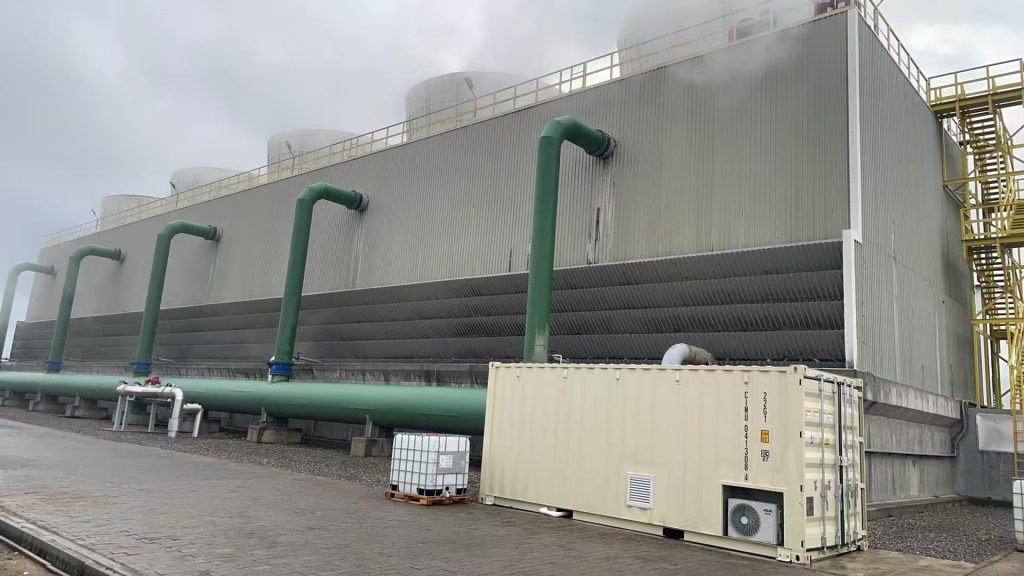
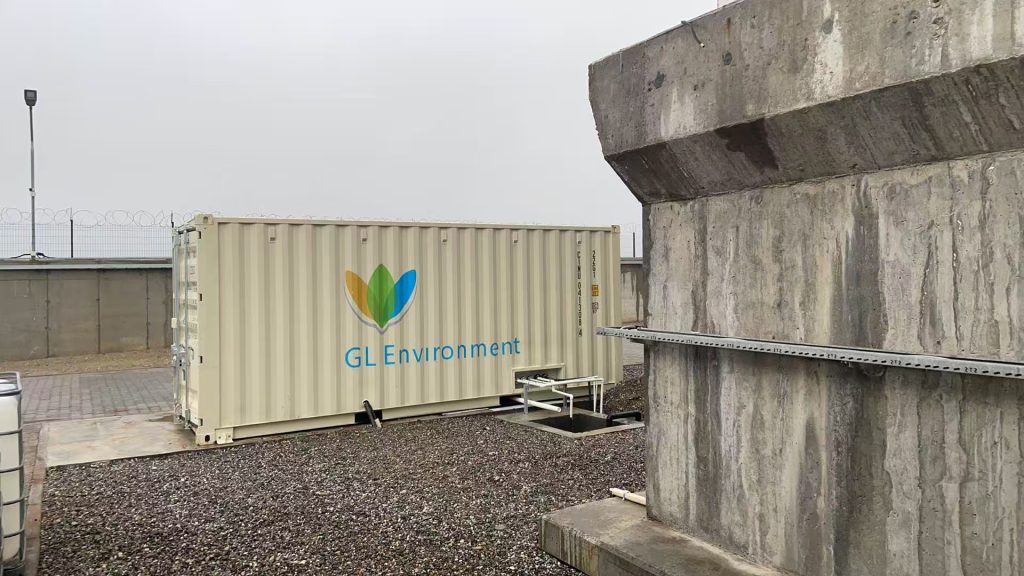
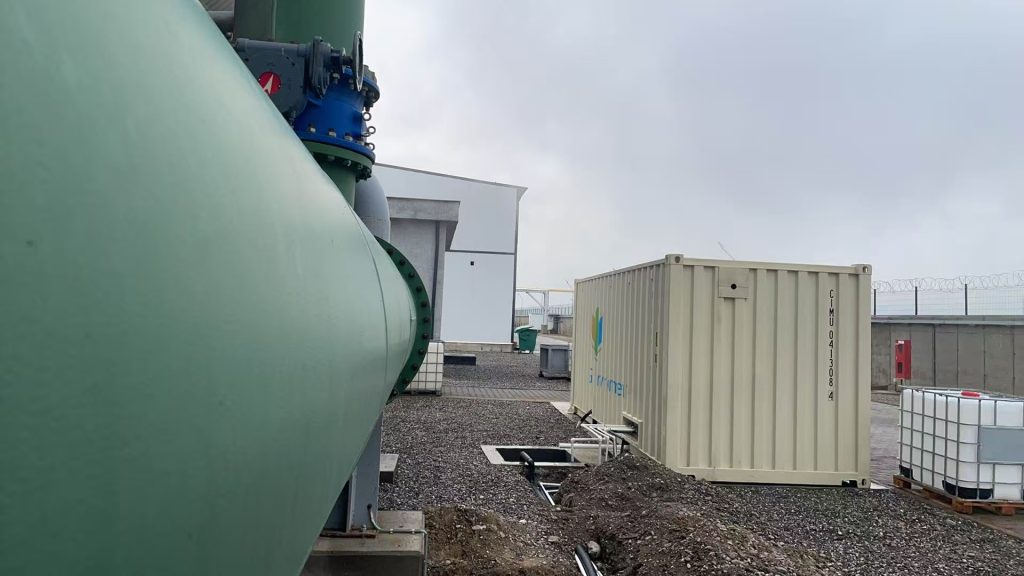
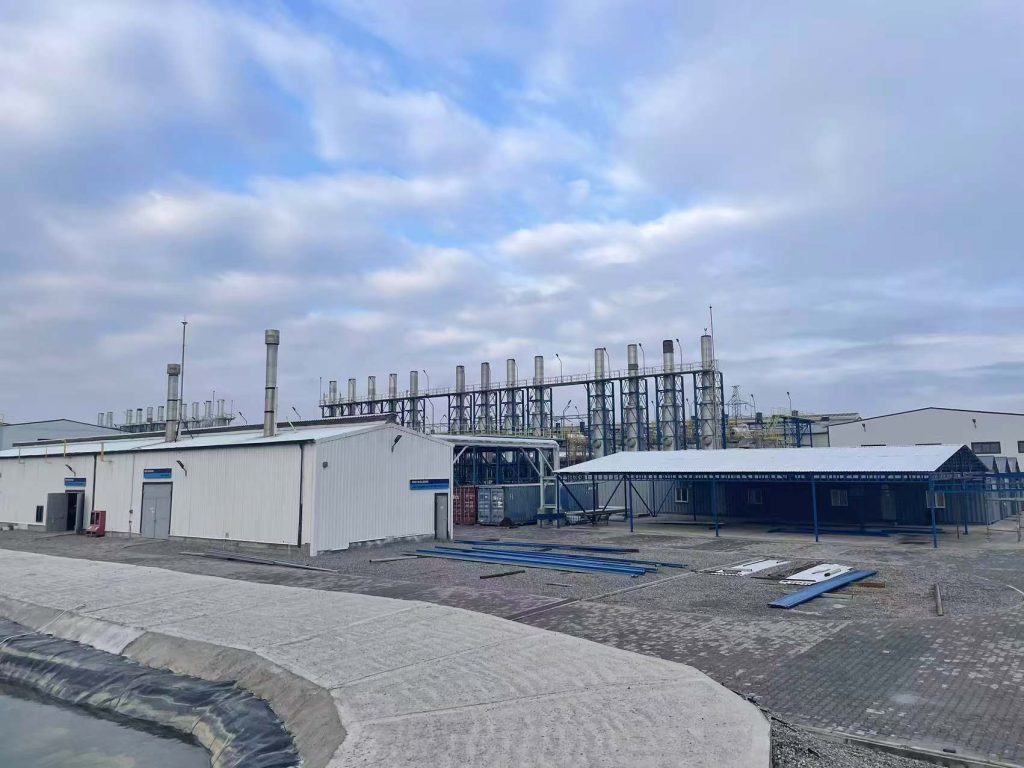
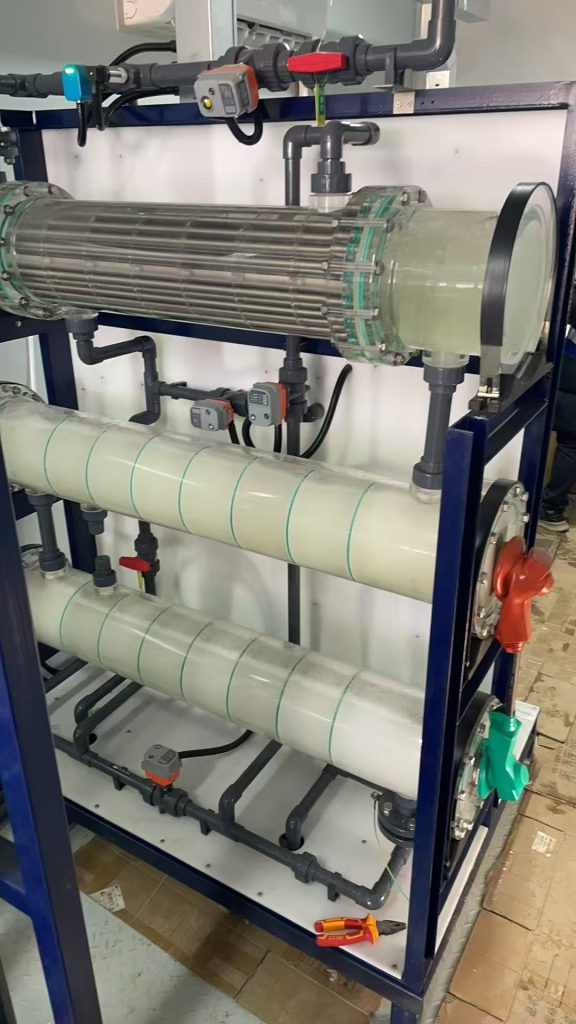
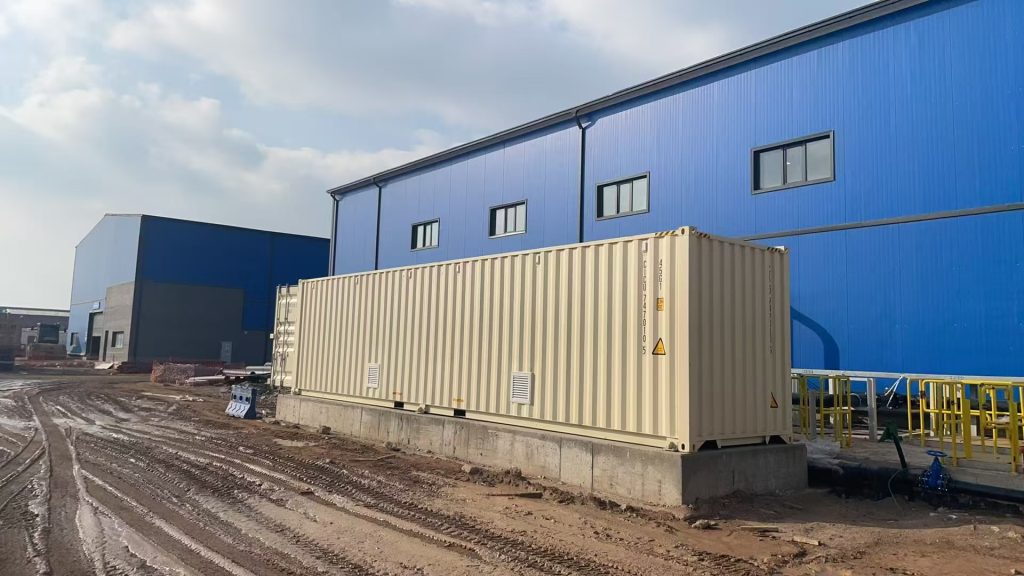
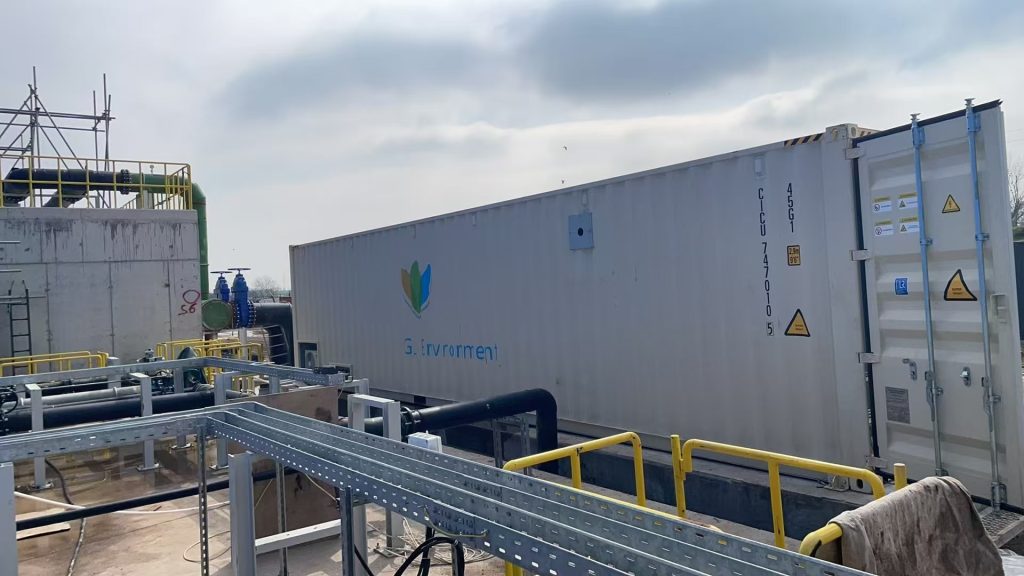
NaClO Generator Commissioning and Acceptance Report
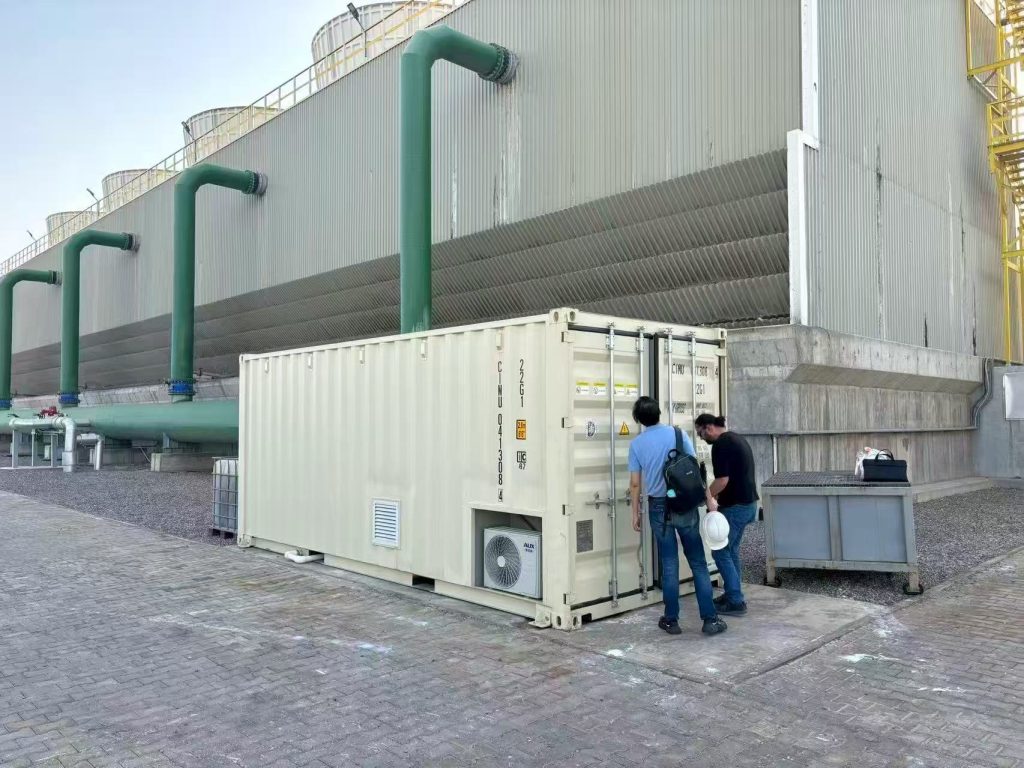
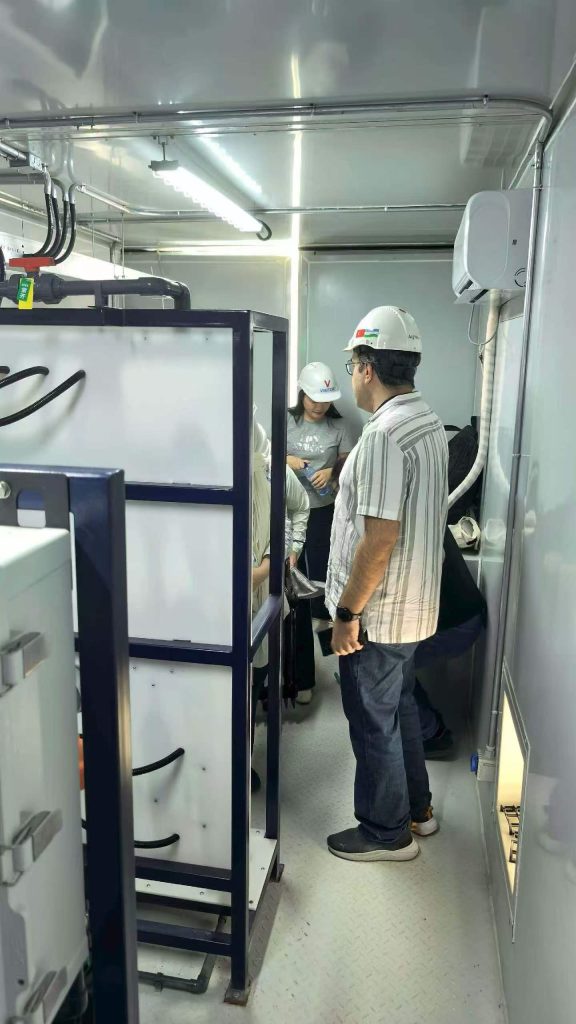
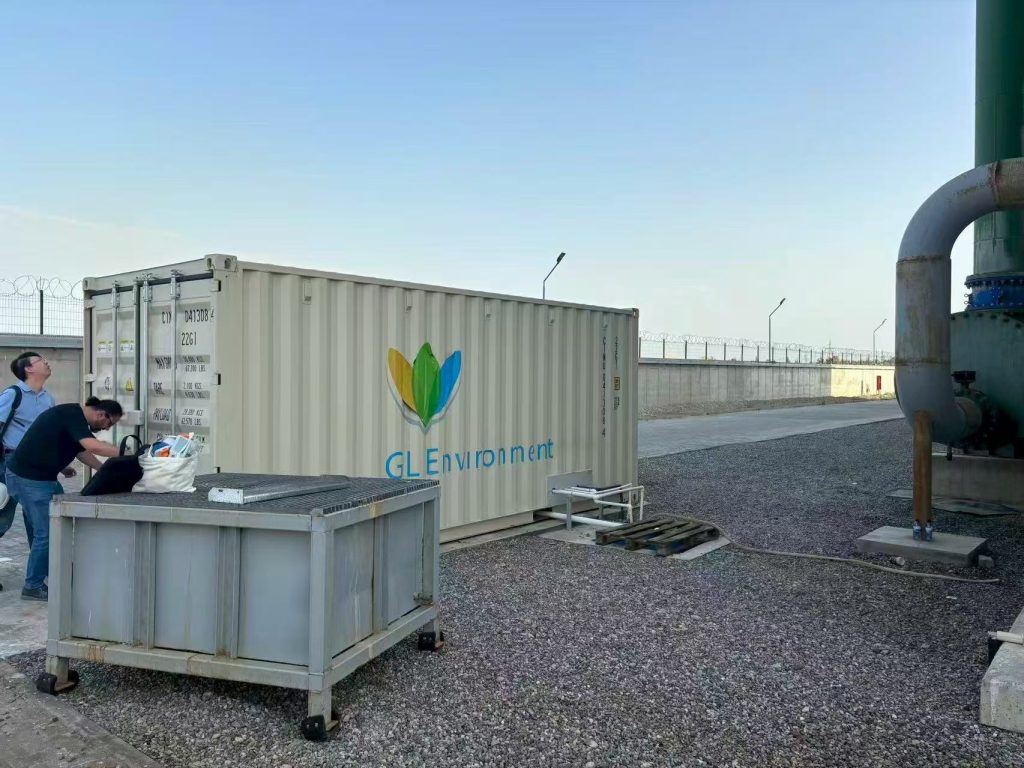
After installation and commissioning, the sodium hypochlorite generator systems successfully completed the on-site commissioning and acceptance process.
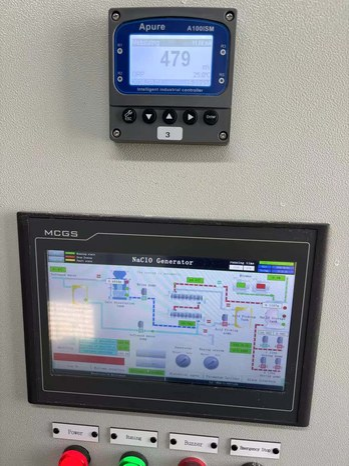
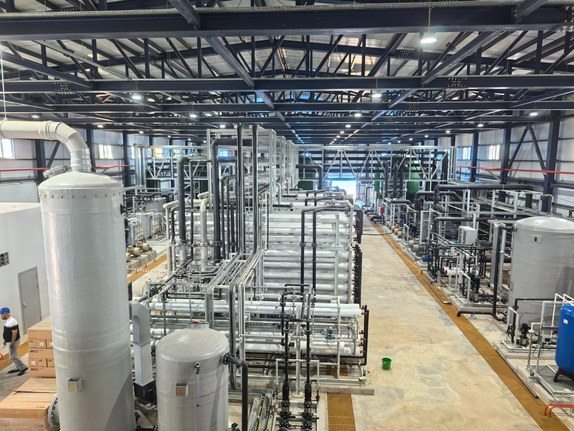
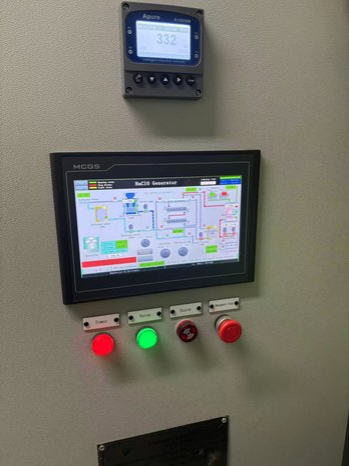
GL Environment engineers worked with the client’s technical team to inspect and verify the main system components, including the salt dissolution system, generator system, storage system, dosing system, water softening system, electrical control system, instruments, and related auxiliary equipment.
The commissioning results confirmed that the equipment met the project operating requirements and was ready for continuous operation.
After-Sales Follow-up and Maintenance
Operational Follow-up and Water Quality Verification
Following commissioning, GL Environment maintained regular contact with the client and continued to provide technical support.
After approximately 3–4 months of continuous operation, our engineering team returned to the power plant in Tashkent for an on-site follow-up visit. The sodium hypochlorite generation system had remained in stable 24-hour operation during this period.
During the return visit, our engineers:
- Reviewed online monitoring and PLC operating data
- Checked the overall operating condition of the system
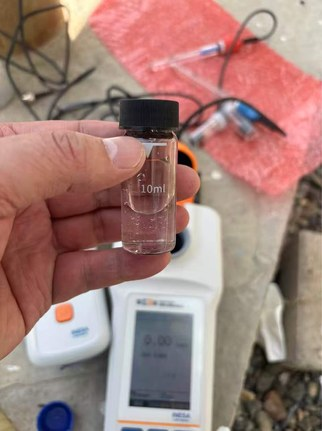
- Conducted on-site water-quality sampling and comparison
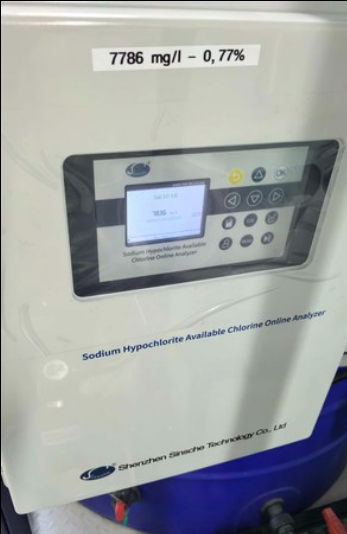
- Verified the available chlorine concentration
- Inspected equipment operating parameters and flow conditions
The on-site available chlorine test showed a concentration of 7,786 mg/L (approximately 0.77%), which is within the system’s designed sodium hypochlorite concentration range of 0.6–0.9%.
The operating data and on-site inspection confirmed that the system continued to maintain stable chlorine production and reliable automated operation after several months of continuous service.
The client also expressed strong satisfaction with the system’s stable operation, low power consumption, automation performance, and GL Environment’s technical support and after-sales service.
Electrolytic Cell Inspection, Cleaning and Preventive Maintenance
As part of the return visit, the GL Environment engineering team also carried out routine inspection and preventive maintenance of the sodium hypochlorite generation system.
The electrolytic cells, piping, flow conditions, instruments, and internal components were carefully inspected.
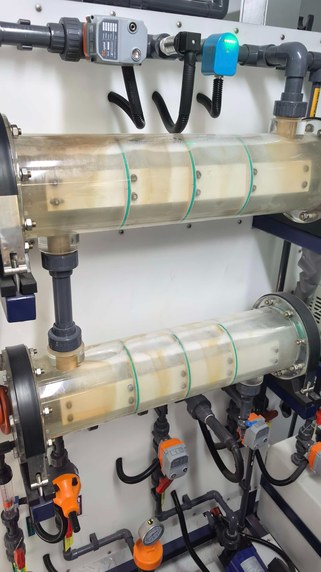
Some visible deposits and discoloration were observed on the electrolytic cell surfaces, which were likely associated with the mineral content and local water conditions in Central Asia.
On-site testing and operating checks confirmed that these deposits did not affect the available chlorine output or normal system operation.
Our engineers then carried out cleaning and routine preventive maintenance of the electrolytic cells and related components. After maintenance, the system continued to operate normally and reliably.
Customer Feedback
After 3–4 months of continuous 24-hour operation, the client confirmed that the NaClO generation system remains stable, energy-efficient, and reliable. The customer also highly recognized GL Environment’s equipment quality and after-sales service.