
Water treatment chemicals are essential agents used to improve water quality by removing contaminants, controlling biological growth, and protecting equipment. In industrial, municipal, and commercial systems, these chemicals enable stable operation, compliance with environmental standards, and cost-efficient performance.
Types of Water Treatment Chemicals
Coagulants and Flocculants
These chemicals destabilize suspended particles and promote aggregation into larger flocs for easier removal.
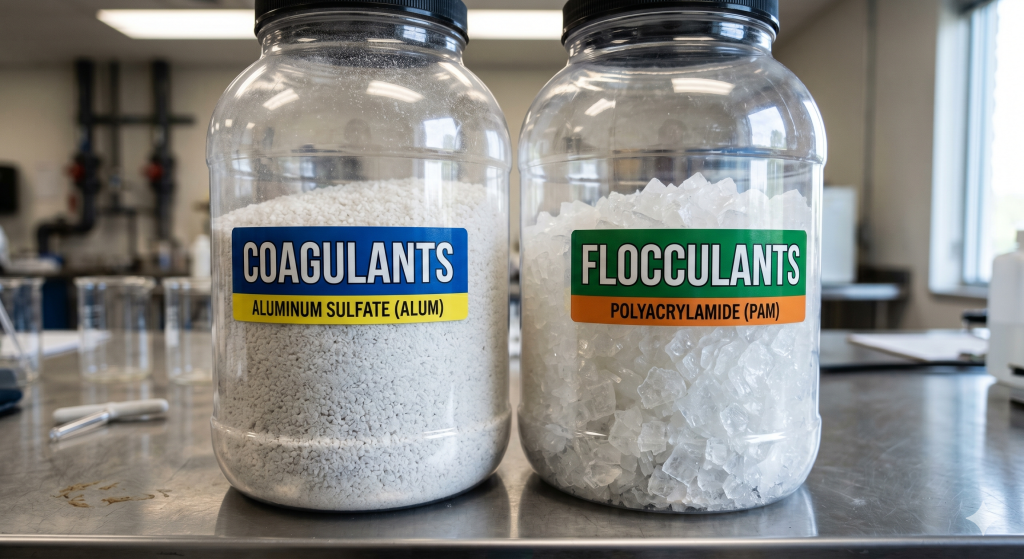
- Common Coagulants: Aluminum sulfate, ferric chloride, PAC
- Flocculants: Polyacrylamide (PAM)
- Application: Drinking water treatment, wastewater clarification
Disinfectants
Used to eliminate pathogens such as bacteria, viruses, and algae.
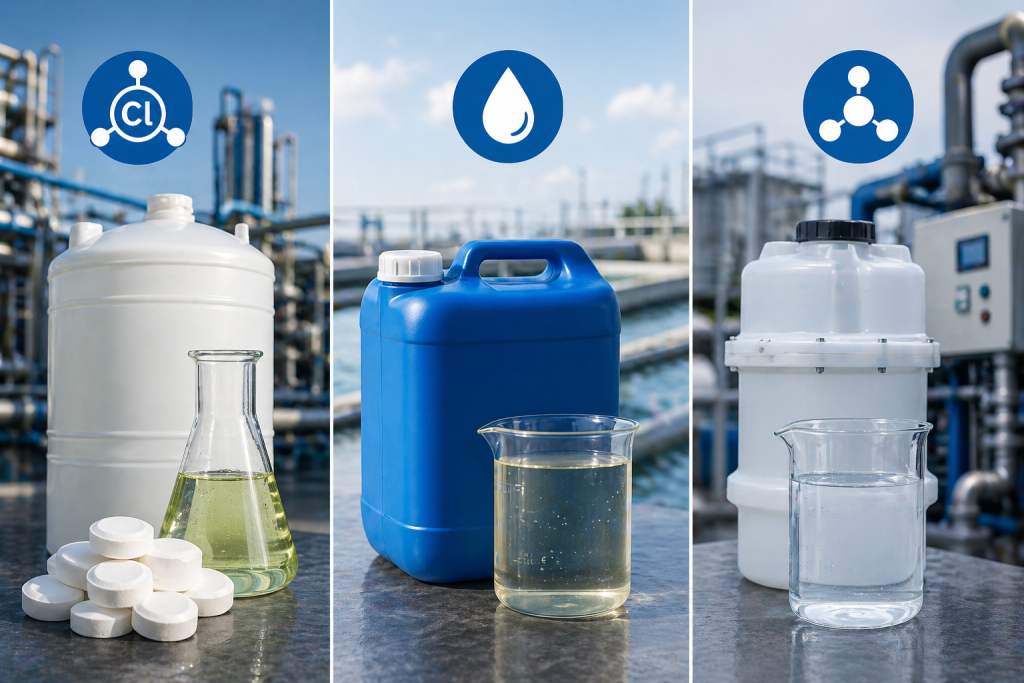
- Typical Chemicals: Chlorine, sodium hypochlorite, chlorine dioxide
- Advanced Options: Ozone, UV (non-chemical but complementary)
- Application: Municipal water supply, swimming pools, industrial reuse
pH Adjusters
Maintain optimal pH levels for chemical reactions and system stability.
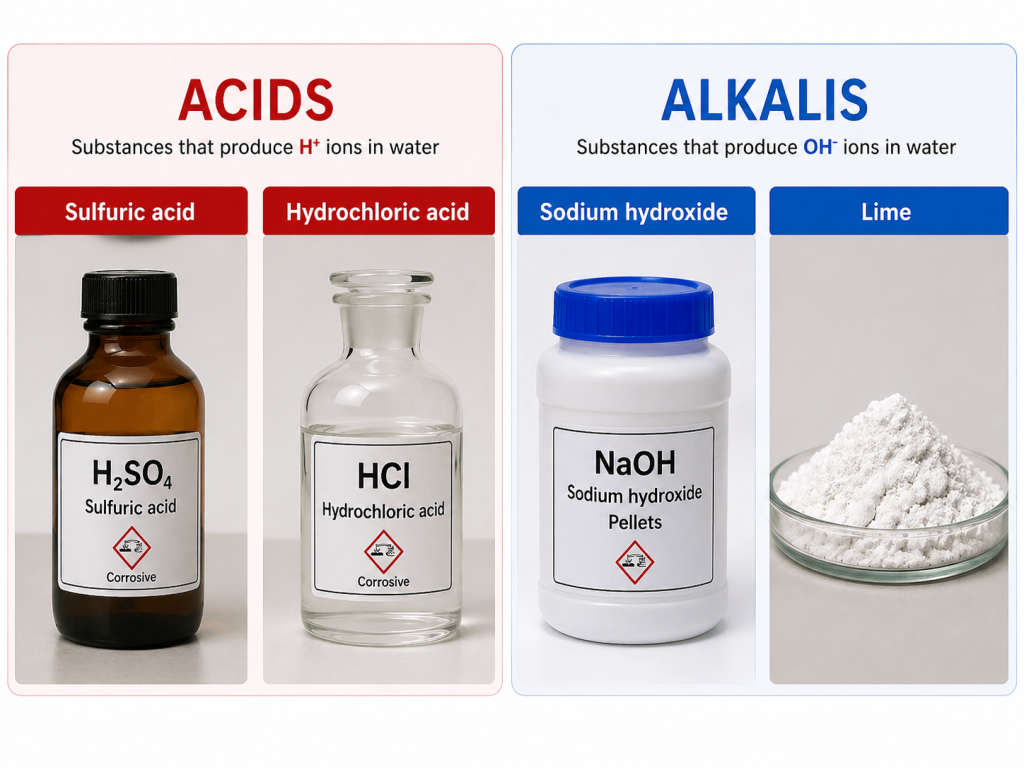
- Acids: Sulfuric acid, hydrochloric acid
- Alkalis: Sodium hydroxide, lime
- Application: Neutralization, process optimization
Scale Inhibitors
Prevent the formation of mineral deposits on pipes and equipment.
- Common Types: Phosphonates, polymers
- Application: Cooling towers, boilers, reverse osmosis systems
Corrosion Inhibitors
Protect metal surfaces from chemical degradation.
- Examples: Zinc-based compounds, phosphates
- Application: Industrial water systems, pipelines
Biocides
Control microbial growth in water systems.
- Oxidizing Biocides: Chlorine, bromine
- Non-oxidizing Biocides: Isothiazolinones, glutaraldehyde
- Application: Cooling water systems, industrial circulation
Working Process of Water Treatment Chemicals
The diagram illustrates the typical process of water treatment chemicals application, including coagulation, flocculation, sedimentation, filtration, and disinfection. Each stage plays a critical role in removing contaminants and ensuring water quality meets industrial or municipal standards.
Key Selection Considerations
Choosing the right water treatment chemicals depends on several operational parameters:
- Water Quality: Turbidity, hardness, organic load, microbial content
- System Type: Cooling water, boiler water, wastewater, potable water
- Compatibility: Interaction between different chemicals
- Dosage Control: Overdosing increases cost and may cause secondary pollution
- Regulations: Local discharge and safety standards
Advantages of Using Water Treatment Chemicals
- Improves water clarity and safety
- Enhances system efficiency and lifespan
- Reduces maintenance and operational costs
- Enables compliance with environmental regulations
Limitations and Challenges
- Chemical handling and storage risks
- Potential secondary pollution if misused
- Continuous operational cost
- Requires precise dosing and monitoring
Summary
Water treatment chemicals play a critical role in modern water management systems. Understanding their types, functions, and application strategies is essential for achieving efficient and sustainable treatment outcomes. When properly selected and controlled, these chemicals significantly enhance water quality, protect infrastructure, and support long-term operational success.
GL Environment integrates water treatment chemicals with intelligent dosing and monitoring systems to ensure efficient, stable, and cost-effective operation. Each stage is optimized to maximize performance while minimizing chemical usage and operational risk. Contact us today to discuss your specific water treatment needs.